


Eco Friendly Pallet Wrap – Reduced Plastic Packaging Solution
- Feb 14
- 4 min read
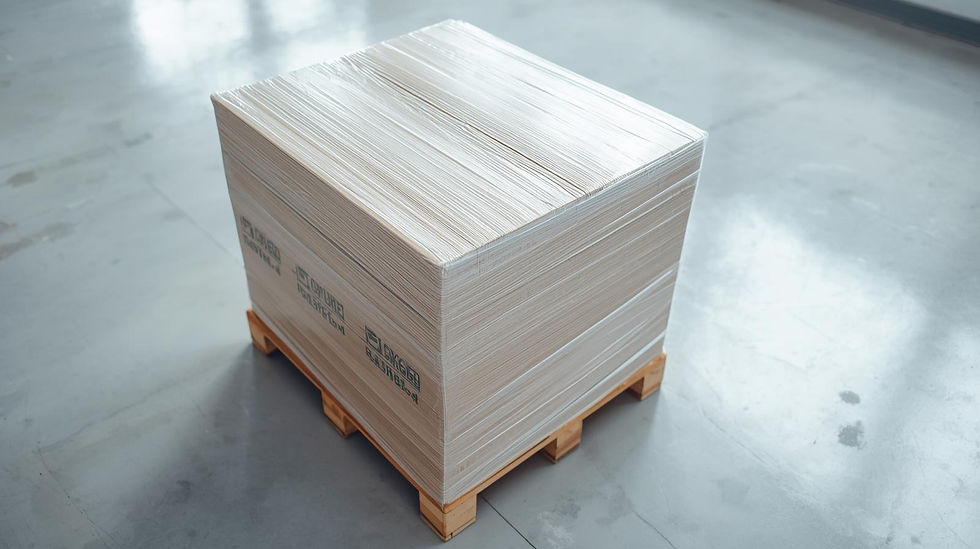
In today’s logistics and warehousing industry, Eco friendly pallet wrap has become a vital solution for businesses aiming to reduce plastic consumption without compromising load stability. As environmental regulations tighten and sustainability goals grow more ambitious, companies are rethinking traditional packaging methods. Pallet wrapping is essential for securing goods during storage and transport, but conventional plastic films contribute significantly to global plastic waste. The shift toward eco-friendly alternatives represents not just an environmental responsibility, but also a strategic business advantage.
This in-depth guide explores everything you need to know about sustainable pallet wrapping solutions, including material innovations, performance standards, environmental benefits, cost considerations, industry applications, and implementation strategies.
Why Sustainable Pallet Wrapping Matters
Pallet wrap is one of the most widely used packaging materials in supply chains worldwide. Every warehouse, manufacturing plant, and distribution center relies on stretch film to stabilize products.
However, traditional pallet wrap:
Is made primarily from petroleum-based plastic
Can take hundreds of years to decompose
Often ends up in landfills
Contributes to carbon emissions during production
As sustainability becomes a competitive differentiator, businesses are seeking ways to maintain operational efficiency while reducing environmental impact.
What Is Eco-Friendly Pallet Wrap?
Eco-friendly pallet wrap refers to stretch films designed to reduce plastic usage, increase recyclability, or improve environmental degradation compared to conventional films.
There are several categories:
1. Recyclable Stretch Film
Designed for easy collection and recycling within existing plastic streams.
2. Biodegradable or Oxo-Degradable Film
Enhanced with additives that accelerate breakdown under certain environmental conditions.
3. Post-Consumer Recycled (PCR) Film
Contains recycled plastic content, reducing virgin plastic usage.
4. Downgauged High-Performance Film
Engineered to use less material while maintaining strength.
Key Benefits of Eco-Friendly Pallet Wrap
Reduced Plastic Consumption
Advanced engineering allows thinner films to perform like thicker traditional options.
Lower Carbon Footprint
Using recycled or downgauged materials reduces emissions associated with production.
Improved Brand Reputation
Customers increasingly prefer businesses that demonstrate environmental responsibility.
Compliance with Regulations
Many countries are introducing stricter plastic waste laws.
Performance Characteristics
Sustainability must not compromise performance. Eco-friendly films are designed to match industrial standards.
Load Containment Force
Ensures pallets remain secure during transit.
Puncture Resistance
Important for irregular or sharp-edged loads.
Elastic Recovery
Maintains tension after stretching.
Clarity
Allows easy scanning of barcodes and labels.
Applications Across Industries
Manufacturing
Secures heavy equipment and bulk shipments.
Food & Beverage
Wraps palletized goods safely and hygienically.
E-Commerce
Supports sustainable fulfillment strategies.
Pharmaceutical
Maintains stability and cleanliness standards.
Downgauging: The Smart Plastic Reduction Strategy
Downgauging means switching to thinner film without losing performance.
Modern nano-layer technology increases strength per micron. This means:
Less plastic per pallet
Reduced transportation weight
Lower material cost
Smaller environmental footprint
Downgauging is often the first step in sustainability transitions.
Recycling Programs in Warehouses
Implementing a recycling system involves:
Separate collection bins
Employee training
Partnering with recycling facilities
Monitoring contamination
Clean plastic film is easier to recycle.
Cost Considerations
Although eco-friendly pallet wrap may sometimes have a slightly higher price per roll, overall costs can decrease due to:
Reduced film usage
Lower disposal costs
Improved load security
Fewer product damages
When evaluated per pallet rather than per roll, sustainable films often deliver competitive value.
Environmental Impact Breakdown
Plastic Waste Reduction
Downgauging reduces total material usage significantly.
Energy Efficiency
Recycled resin production consumes less energy than virgin plastic production.
Landfill Diversion
Proper recycling prevents plastic accumulation.
How to Transition to Eco-Friendly Wrap
Step 1: Evaluate Current Usage
Measure film thickness, stretch ratio, and pallets wrapped per day.
Step 2: Test Alternative Films
Conduct load stability tests.
Step 3: Train Operators
Correct tension and wrapping techniques reduce waste.
Step 4: Track Results
Monitor plastic reduction percentage and cost per pallet.
Challenges and Solutions
Perceived Weakness
Modern eco-friendly films offer comparable strength.
Compatibility Concerns
Most options work with existing wrapping machines.
Recycling Infrastructure
Partner with certified recyclers for consistent results.
Future of Sustainable Pallet Wrapping
Advanced Bio-Based Resins
Derived from renewable resources.
Circular Economy Integration
Closed-loop systems where used film is recycled into new film.
Smart Packaging
Films integrated with monitoring technologies.
Sustainability innovation continues accelerating.
Supplier Selection Criteria
When choosing a supplier, consider:
Verified performance testing
Environmental certifications
Technical support availability
Consistent product quality
Reliable suppliers simplify implementation.
Conclusion
Sustainable packaging is no longer optional—it is a strategic necessity. Eco-friendly pallet wrap provides a practical path to reducing plastic waste while maintaining industrial-grade load security. Through downgauging, recycling, and advanced material engineering, businesses can achieve both environmental responsibility and operational efficiency.
The transition requires evaluation, testing, and training—but the long-term benefits include reduced costs, improved brand image, and regulatory compliance. As global supply chains move toward greener operations, sustainable pallet wrapping will become the new standard.
FAQs
Is eco-friendly pallet wrap as strong as traditional wrap?
Yes, modern engineered films provide comparable load stability and puncture resistance.
Can eco-friendly pallet wrap be recycled?
Many versions are fully recyclable when properly collected and sorted.
Does sustainable wrap cost more?
Initial price per roll may vary, but cost per pallet is often competitive due to reduced material usage.
Is Mini stretch wrap for packing available in eco-friendly versions?
Yes, Mini stretch wrap for packing is increasingly available in recyclable or downgauged eco-friendly formats suitable for smaller packaging tasks.
How can companies measure plastic reduction?
Track total film consumption before and after implementation and calculate percentage reduction per pallet.


Comments